Tag: mental health

  • Sorry

    Hey, I’m really sorry about this! I totally planned on updating weekly to spark some chats, but after my last post, I just kind of stopped. 😭

    As has been my way for many years, I have a great idea, go in full force thinking I’m going to change the world and then, nothing. I freeze, I start thinking “This is a stupid idea, who would read the nonsense you write, who will care?”

    The self-deprecating talk takes over and what was a positive path to walk is turned into one of London’s roads with speed humps followed by deep potholes. It’s when I disappear down the pothole I usually tend to give up and the all too familiar pattern of shame and self-loathing starts to whizz around my brain like a goldfish in a bowl. But…. It’s Friday 23rd of May 2025; there is a parade as Spurs won a trophy for Europe, or something, this gives me inspiration to try again.

    I mean, if Spurs fans can persevere, why can’t I? So, here I am again, although I’m wondering what in the hell I should write about. Topic, theme, trends, niche, words that I see when thinking about writing a blog, pick something and go with it.

    For my ADHD brain, that is almost impossible to comprehend; it wants to know everything, ask many questions, and feel every emotion; it needs to be fed. “Feed me!!” the brain said to the man. My niche, the brain, is not that niche anymore. Loads of information are out there, lots of self-help books, and people talking about mental health and opening up about emotions, depression, and other mental health issues. This is great! Right?

    With this newfound openness comes a profound realization, raising the crucial question, “Am I truly okay? Do I require assistance?” Seeking help for mental health is an arduous journey, characterized by the new telephone triage system, an initial appointment with a nurse who may subsequently refer you to your GP. Obtaining a GP appointment is notoriously difficult, often resulting in a wait of up to three weeks, only to be advised to make lifestyle changes and engage in exercise while beginning antidepressants, which may initially exacerbate feelings of distress and contribute to weight gain. I advocate for healthy lifestyle changes, although, its not what you want to hear when in crisis.

    The process of obtaining a referral for psychological assistance is characterized by prolonged waiting periods, followed by additional delays when a psychologist finally establishes contact, as their resources are often overextended. When the appointment is finally secured, patients are typically informed that they will receive only six 50-minute sessions. This is insufficient for individuals grappling with significant emotional burdens; six sessions merely scratch the surface. In my experience, it required weekly sessions for over a year to engage with my varied inner selves, acknowledge their needs, find a semblance of harmony within, and enact meaningful changes in my surroundings.

    Thinking back to my post on the mind-body connection, how the environment affects the brain, and the impact on physical health, I have a life equation. In the immortal words of Tilly…”bare with”

    Good environment = Good mental health. The gold standard! What we all want and deserve.

    In reality…

    Bad environment = bad mental health + over stretched health service (lack of funding/staff) + long wait times + insufficient psychological help when you get an appointment =lack of understanding of self = no needs met (think maslows hierarchy of needs) = no positive changes to environment = FUCKED or, more politely. A continuation of poor mental health.

    Now throw in children…bare with

    Bad environment and mental health = changes to genetics = altered genetics or epigenetics = altered genes passed to children = children suffer same negative environment and mental health = ongoing cycle of poor mental and physical health.

    It compels us to confront a glaring truth: why are we still shackled by outdated societal constructs and systems that no longer serve us? For example, the rigidity of our health and education systems is nothing short of appalling! Take healthcare—why do we blindly accept the term “idiopathic”? Every condition has a trigger, yet we turn a blind eye to those that lie beyond the narrow confines of conventional medicine.

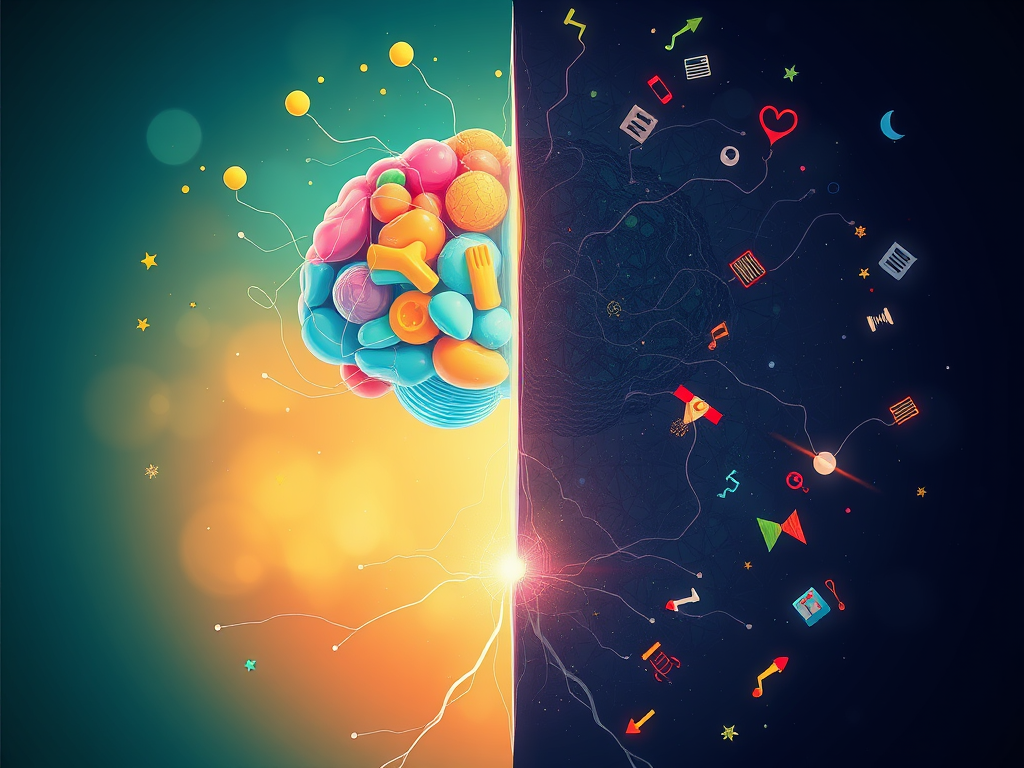
    And in education, why do we revere a narrow intellect that conforms to arbitrary standards? Intelligence is a beautiful spectrum, whether neurotypical or neurodivergent, yet we perpetuate a system that marginalizes so many! There are many more examples, my point is, in this macro societal construct the needs of the individual are lost creating a negative environment leading to bad health. But…what can we do to challenge and change this system? It’s a big question although I would love to hear your thoughts and discuss more.

    Don’t conform!
  • The Mind-Body Connection

    In my last post, I bravely opened up about the tumultuous parts of my life that have haunted me for far too long. This trauma has clung to me, but now, I am finally confronting it head-on, delving deep into the ways it’s shaped my choices and my essence. Compounded by a recent diagnosis of prostate cancer, I began to fervently question the connection between my troubled mental state and my physical well-being. As I navigated the challenging journey of recovery from a radical prostatectomy, I stumbled upon the incredible work of Dr. Gabor Maté and his insights on the “Mind-Body Connection.” I invite you to dive into this exploration below and engage in a passionate discussion with me about it.

    The Mind-Body Connection: How Our Environment Shapes Our Health:-

    is a blatant reminder that we are not merely products of our biology but are deeply influenced by our surroundings in ways we often overlook. It’s time to acknowledge that the chaotic world we inhabit can either lift us to new heights or drag us down into despair. Our health is not just a personal battle; it’s a fierce interplay with the environment that can ignite or extinguish our vitality. We have to confront the uncomfortable truth: thriving isn’t just about diet and exercise; it’s about fighting back against the toxic systems that seek to dictate our well-being.

    The mind and body are not separate. This simple truth—championed by Dr. Gabor Maté—has profound implications for our health and healing. From chronic illness to mental well-being, the connection between how we feel and how we function is deeply influenced by the environments we live in. The question is: are our environments supporting us, or silently making us sick?—

    How the Mind and Body Communicate According to Dr. Maté, author of When the Body Says No, our physical health often mirrors our emotional world. Chronic stress, emotional repression, and unresolved trauma can lead to a range of health issues—from autoimmune disorders to heart disease.> “The body will say no when we don’t know how to,” – Gabor Maté This isn’t just metaphor. Scientific research now backs what ancient wisdom has long known: psychological stress can weaken the immune system, disrupt hormonal balance, and even rewire the brain.

    The Hidden Power of Environment, Toxic Environments, Toxic Outcomes In the “Realm of Hungry Ghosts”, Maté explores how chaotic, high-stress environments—especially during childhood—can set the stage for addiction, anxiety, and disease later in life. When we grow up suppressing emotions to stay safe, we often lose touch with our bodies.Workplaces that reward burnout, homes that stifle expression, or communities plagued by inequality all contribute to chronic dysregulation in the body. Healing Through Supportive Spaces isn’t just about what happens inside of us—it’s also about what surrounds us. Environments rooted in compassion, connection, and authenticity allow the nervous system to settle, promoting resilience and recovery.

    In The Myth of Normal, Dr. Maté rips apart the glorification of productivity and perfection that pervades modern Western culture, all while sacrificing our emotional truth. He boldly declares that true health sprouts from environments that allow us to feel, connect, and be unapologetically ourselves.


    The Bigger Picture: Healing as a Collective Act. Dr. Maté isn’t just advocating for individual healing; he’s laying down the gauntlet for how we reshape workplaces, schools, healthcare systems, and families. Healing isn’t merely a solo journey; it’s a communal responsibility. Sure, mindfulness, therapy, and healthy living have their place — but without nurturing environments to back them up, genuine, lasting change is a pipe dream.


    A Deeper Question: Is Healing a Privilege?

    As we reflect on the importance of the mind-body connection, we must also confront a difficult truth: the ability to maintain that connection often depends on privilege.In a world with a rapidly growing population, the widening gap between rich and poor, and systems steeped in racial, gender, and class-based prejudice—how many people truly have the space to heal?Can you calm your nervous system when you’re working three jobs just to survive?Can you process trauma when you’re still living in the environment that caused it?Can you practice mindfulness when you don’t feel safe in your own body because of the color of your skin, your gender identity, or your immigration status?

    Dr. Maté challenges us to see illness not just as a personal experience, but as a reflection of collective dysfunction. And this brings us to a critical question:> In a world that is so often disconnected and unjust, is it even possible to obtain—and maintain—a healthy mind-body connection? Maybe not for everyone, not without change. But by asking the question, we begin to challenge the structures that prevent healing. By acknowledging the role of systemic inequality in individual health, we can start moving toward a culture where everyone has a chance to reconnect—with themselves, and with each other.—Let’s Open the Conversation

    What do you think? Is a healthy mind-body connection a realistic goal in today’s world?How do systemic issues—like poverty, increasing cost of living, prejudice, racism, homophobia—affect your ability to care for yourself? What needs to change in our society so that healing becomes a right, not a privilege?

    Share your thoughts in the comments—or with someone in your life. Let’s keep this conversation alive, because true healing begins with truth.

    #GaborMaté

  • Me

    Me

    Let me kick things off with a little confession. The picture you’re feasting your eyes on, produced by some clever AI, absolutely does not capture the essence of my being. I mean, seriously, who, in their right mind, pictures a “Paediatric Nurse” as an attractive woman cradling a dog, all while being bathed in a divine spotlight? I’ll be waiting for that postcard with your answers!

    The Basics

    At 47, I’m a bold Paediatric Nurse navigating the vibrant streets of London, unapologetically a White British homosexual with a flair for the dramatic that leaves a lasting impression.

    I share my life with my partner of two decades, a total gem of a man. We’ve also got our 10-year-old adopted son, and let’s not forget our stunning Cocker Spaniel, who’s honestly the cutest dog you could ever imagine.

    My Mum and Dad are still kicking it together and embracing the rollercoaster ride of love and bickering that’s more entertaining than a daytime soap opera. Their relationship is a spectacular blend of romance and chaos that keeps me glued to the couch.

    Medical History – Overweight. According to the NHS, I’m officially in the “obese” club, and let me tell you, the membership perks are underwhelming. I’ve got mild Crohn’s disease, which is just my digestive system’s way of throwing a surprise party—every time I eat. Add in my depression and anxiety, and you’ve got yourself a recipe for a comedy show! Oh, and did I mention I have ADHD? Talk about multitasking! And recently being diagnosed with prostate cancer? Well, that just adds a whole new dimension to my life’s ridiculousness. Don’t I sound like I’m living my best life?

    This is all so standard it’s practically snooze-worthy, right? Let’s dig into the deep, dark soil of my psyche to find out where the seeds of this delightful mess were planted. And, just for fun, let’s see if it’s really me who’s a bit bonkers, or if it’s the world around me that’s just flipped its lid!

    Sowing of the seeds

    It begins on a dark night. I was bare-chested. A bottle of baby oil had fallen. Its contents cascaded over me…

    Well, it didn’t start out this way, but did it pique your interest? Yes? Great, let’s dive deeper. The roots of my struggle were planted back in junior school. At just eight years old, I began enduring playful jabs from my classmates, which morphed into full-blown bullying as I transitioned to secondary school. My differences were glaring—I wasn’t the athletic type, and my gentle demeanor painted a target on my back. Raised to be kind and respectful, I quickly learned that those ideals wouldn’t save me from the relentless torment.

    Upon stepping into secondary school, I was engulfed by a suffocating dread as I faced an unrelenting storm of hostility. And of course, my fears weren’t just paranoia; they were an ugly reality. I had to endure not only the vicious taunts of former classmates who had made my life a living hell but also a pack of new bullies eager to join the sadistic thrill of tormenting me. I’d rather not wallow in the details; the reasons are brutally simple: it’s excruciating to relive, the sordid specifics are pointless, and the raw truth is just too hard to confront.

    The bullying manifested physically, yet my face bore no marks, allowing me to hide the scars of my struggle. What truly wrecked me was the mental abuse, a ceaseless torment that followed me like a shadow in classrooms, hallways, and the canteen at lunch. It was relentless, invading my mornings and haunting my evenings as I left school. Each day, I faced it with a mask of resilience. When I finally got home, I opted for silence. It felt as if I was the only teenager who bolted straight to my room. I’d slip into my pajamas and dressing gown, my self imposed exile making sure my parents remained clueless about the storm raging within me. Shame and isolation consumed me. One particularly haunting memory clings to me: I rode my bike alone and stopped by the canal. A couple on the opposite bank jeered, “That boy looks so alone.” The woman added with pity, “It’s so sad.” Those shallow words capture the essence of my school life.

    Anyone seen Adolescence on Netflix? It’s a deeply moving portrayal, isn’t it? The boy’s actions caught me off guard, initially filling my mind with questions like, “How could someone so young be driven to such extremes?” Yet, as I reflected on my own experiences, I felt a wave of compassion for him. I realized that the parents, too, were navigating their own struggles, drawing me to think about my own relationship with my parents. The message resonates profoundly: “check in.” However, this can be incredibly difficult when a child is hesitant to open up and chooses to retreat into themselves.

    I am somewhat grateful that I never broke in the way that boy did, but it does prompt a cautious reflection, doesn’t it? The current generation finds itself navigating a landscape of technology that seems thrilling, yet one has to wonder—how will this truly impact their mental well-being? What kind of growth and resilience can we realistically expect them to cultivate? It’s a troubling thought.

    Returning to my narrative, I’ll cut to the chase—life was anything but sweet, more like a stale snack left out too long. The bullying? It clung to me like that irritating guest who just doesn’t get the hint. Fast forward to my workplace, which felt like a twisted horror flick, where harassment was the main attraction. I hit rock bottom and thought, “Why not just take a permanent vacation?” But guess what? I stayed in the game, even if no one had a clue about my darker musings.

    I do not wish to delve deeper into this subject. Nonetheless, returning to the essence of this section, I believe this is where my feelings of self-doubt began to rear their ugly head in a profound way. It was here that self-loathing and worthlessness took root like persistent weeds, entwining themselves with my thoughts and warping my perception of who I truly am. As I stumbled through a series of experiences that seemed determined to reinforce these toxic beliefs, the burden of those feelings grew heavier, suffocating my ability to acknowledge my own potential and the bright, undeniable qualities of my identity. This period was not just a turning point; it was a brutal awakening that forced me to confront the unsettling reality of questioning my worth and capabilities, a struggle that would echo in my mind and haunt me for years to come.

    Do You Relate?

    As I reflect on my journey, I can’t help but wonder—how many of you see pieces of your own story within mine? Have you faced similar trials, where bullying and self-doubt threatened to overshadow your true self?

    It’s easy to feel isolated in our struggles, believing we’re the only ones carrying the weight of our experiences. But the truth is, many of us share these silent battles. Whether it’s dealing with judgment, navigating the complexities of mental health, or simply searching for a sense of belonging, our stories often intertwine in unexpected ways.

    I invite you to take a moment and consider your own journey. Can you relate to the feelings of loneliness and despair that can arise from being bullied? Have you ever put on a brave face while hiding your true emotions?

    Your experiences are valid, and it’s okay to voice them. I want to hear from you! Let’s connect, share our stories, and start building a community — the F.U.C.

    UK Resources for Bullying Help:

    Feel free to share your thoughts in the comments below. Your story matters—just as all our stories do.